🤖
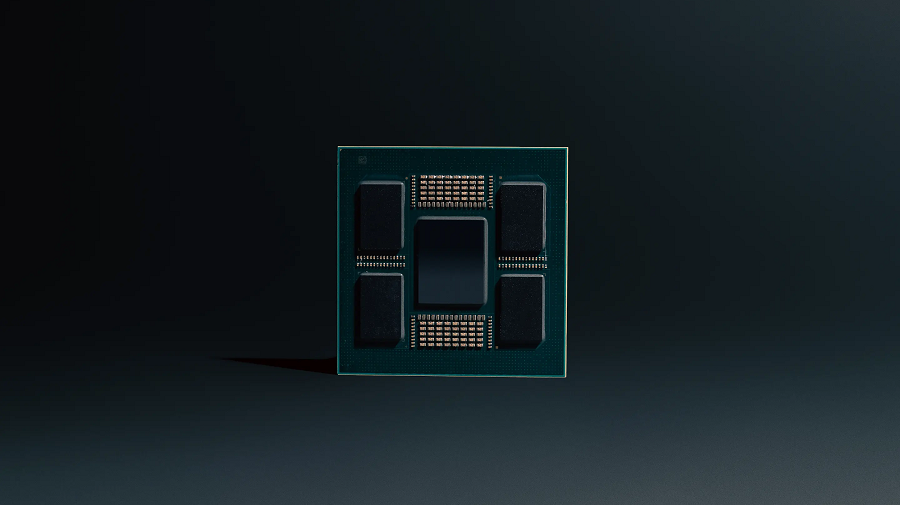
The autonomous fleet managed by Waymo now relies on a custom 5-nanometer computing module capable of performing 1,000 tera-operations per second. This processing power is what allows the vehicles to analyze data from cameras and lidars in real-time.
Think of this metric as the thinking speed of the car's computer. It needs this massive capacity to identify pedestrians, traffic lights, and obstacles in milliseconds. This is a significant jump from general-purpose chips, as it is specifically designed to handle the sensory overload of driving in busy cities without human intervention. 🚀
The company, owned by Alphabet, currently operates roughly 4,000 vehicles across 11 US cities. Their fleet is diverse, utilizing Jaguar I-Pace crossovers, Zeeker minivans, and Hyundai Ioniq 5 SUVs. Riders book these trips through a dedicated app or via Uber.
Most standard modern vehicles utilize far less processing power, relying on multiple distributed units for infotainment and basic safety systems. By consolidating this control into a single custom-designed module, Waymo reduces latency and power consumption compared to the complex, multi-component systems used in early experimental prototypes. ⚡
When hardware is built for a specific purpose, the software finally feels real.
#Waymo #tech #robotaxi
SiliconANGLE
Subscribe